Artificial intelligence in healthcare has enormous potential, but its development is hampered by data, regulatory, and organizational barriers. Why is AI running into obstacles, and what can the European Health Data Space and the AI Act bring?
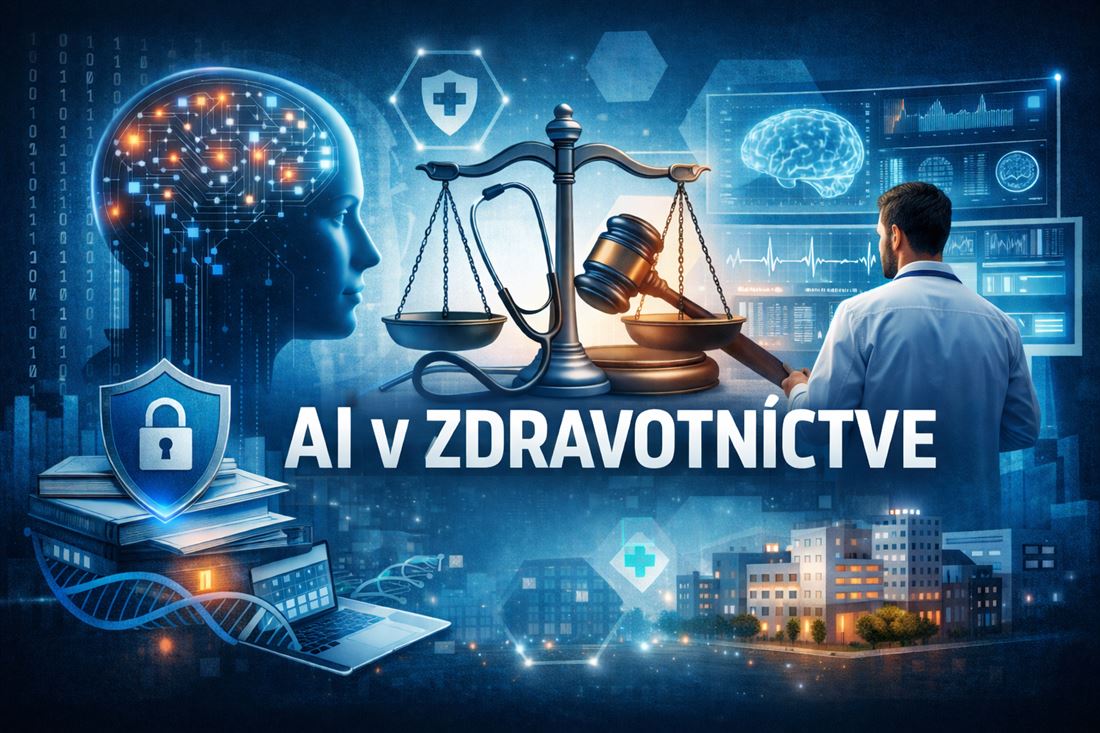
Artificial intelligence has the potential to significantly improve diagnostics, personalized treatment, and the overall efficiency of the healthcare system. Nevertheless, its actual implementation is progressing more slowly than the technological possibilities would suggest. The reason is not a lack of innovation, but a combination of data, legal, organizational, and ethical barriers.
The fundamental problem is data. Health information is fragmented, stored in different formats, and often non-interoperable. Moreover, this is extremely sensitive data, the protection of which is essential, but in practice leads to caution bordering on paralysis when it comes to sharing it. The European Health Data Space (EHDS) framework is intended to provide a more standardized and predictable approach to the use of health data, but its actual benefits will depend on implementation in member states.
Regulation is also a significant challenge. The issue of liability for AI-supported decisions, as well as the requirements arising from the AI Act, place greater demands on both developers and healthcare providers. Without clearly defined rules from the early stages of development, the regulatory environment can become a barrier to innovation.
At the same time, clinical practice shows that AI is not a substitute for a doctor, but a supportive tool. It works best when designed in collaboration with healthcare professionals and integrated into existing workflows. Technical accuracy alone is not enough—what matters is the real benefit to the patient and the healthcare system.
A key condition for success is the trust and readiness of the people who work with the technology. Transparency, auditability, and systematic training of healthcare professionals are just as important as the algorithm itself.
If AI in healthcare is to fulfill its potential, it must develop in parallel with data infrastructure, regulatory certainty, and clinical practice. This will not be an overnight revolution, but a gradual evolution based on collaboration between technologists, doctors, lawyers, and regulators.