If we can close a deal via email today but have to spend months proving that we actually closed it, the problem isn’t with the technology—it’s with the law.
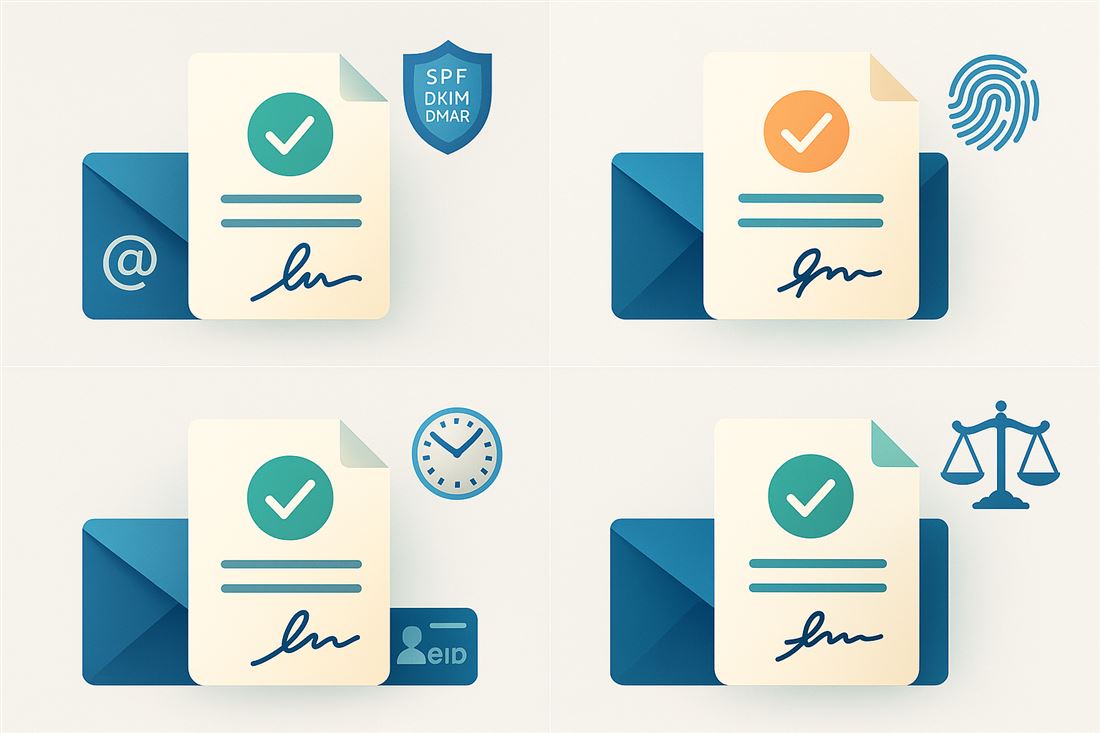
Digital communication is the norm and is often sufficient for reaching an agreement. However, an email is not a “contract” in and of itself—what matters is clear acceptance and the ability to prove who confirmed what.
The issue usually lies with the sender’s identity and evidence. An email address is not enough; original messages with headers and technical traces (SPF/DKIM/DMARC) are helpful. The difference between “we acknowledge” and “we confirm” can be decisive in a dispute.
In practice, therefore: for standard B2B transactions, clear acceptance and proper archiving are sufficient; for larger contracts, it is safer to use a formal document with a qualified electronic signature.
In the future, legislation should unequivocally recognize email with the essential elements of a contract and a qualified signature as a written form. Fewer disputes, more legal certainty.