Azure SQL Server is a highly scalable, highly available, and secure database service provided by Microsoft. Implementing encryption on Azure SQL Server is a critical step in protecting your data from unauthorized access and meeting regulatory requirements.
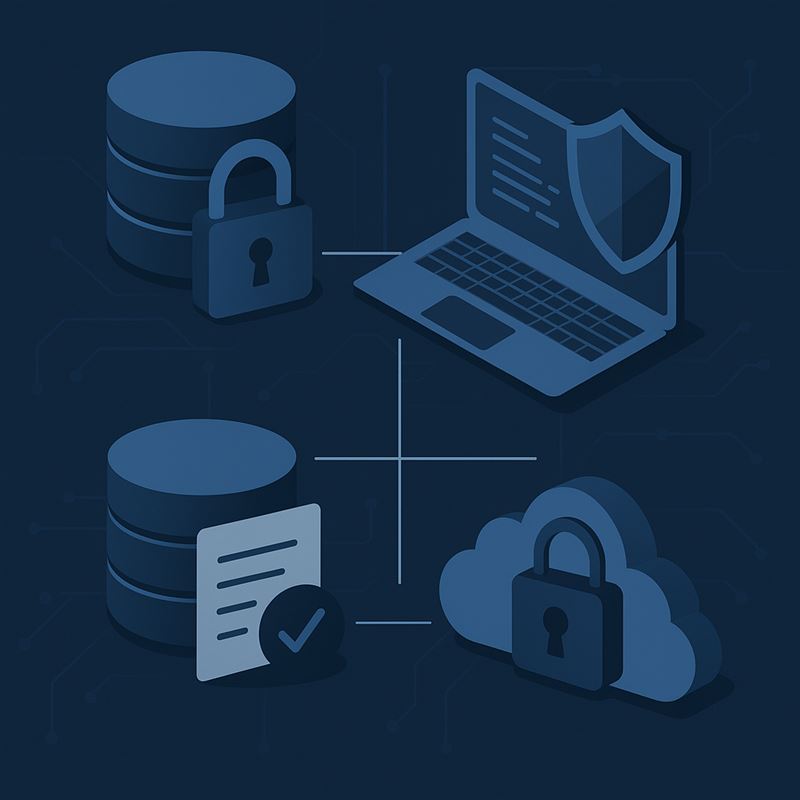
Encryption Implementation Options
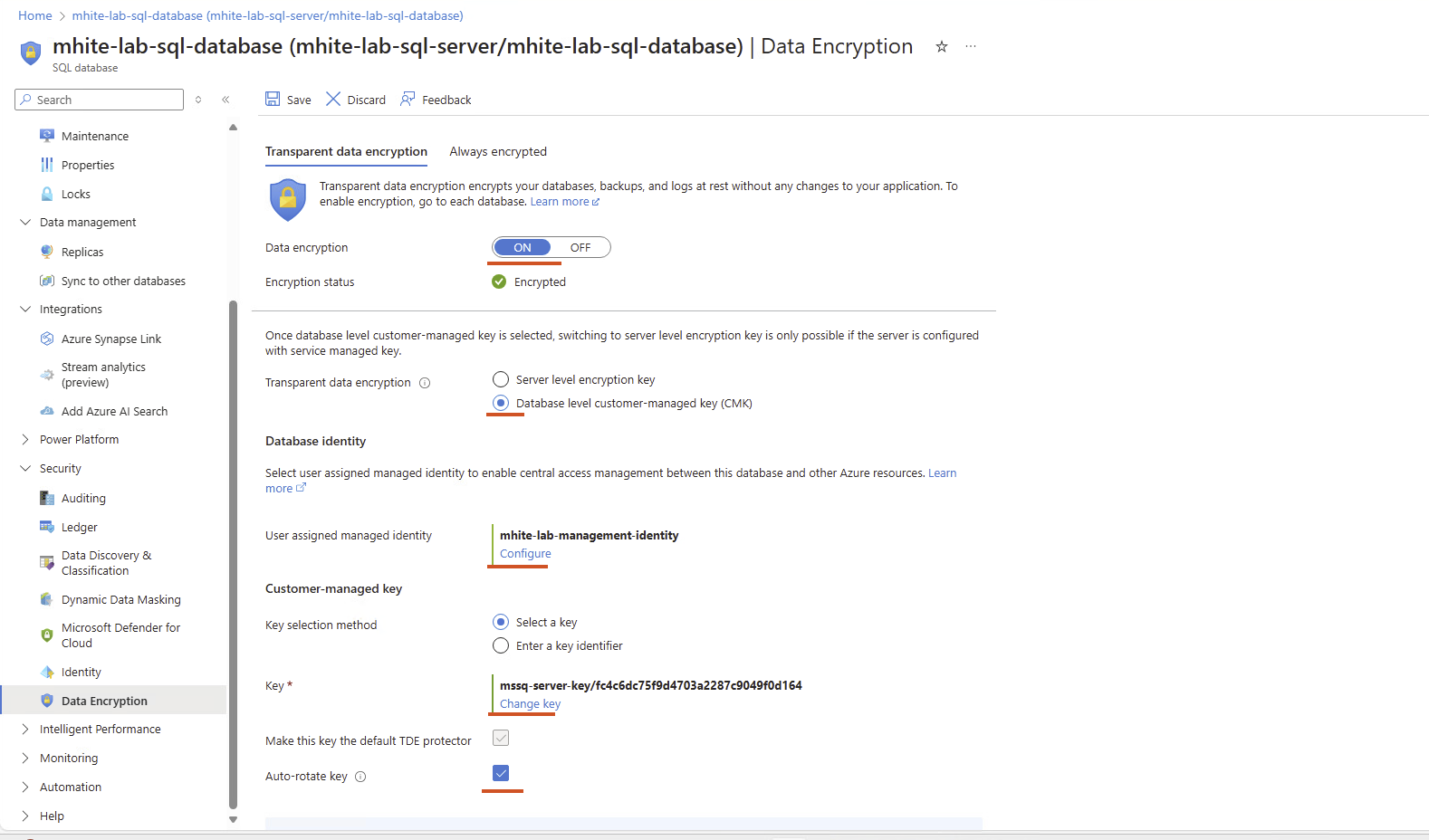
1. Transparent Data Encryption (TDE)
Transparent Data Encryption (TDE) encrypts entire database files and backups without requiring any changes to applications.
- How it works: TDE encrypts data at the storage level using symmetric keys stored in the database.
- Benefits: Automatic encryption and decryption of data during write and read operations, no impact on applications.
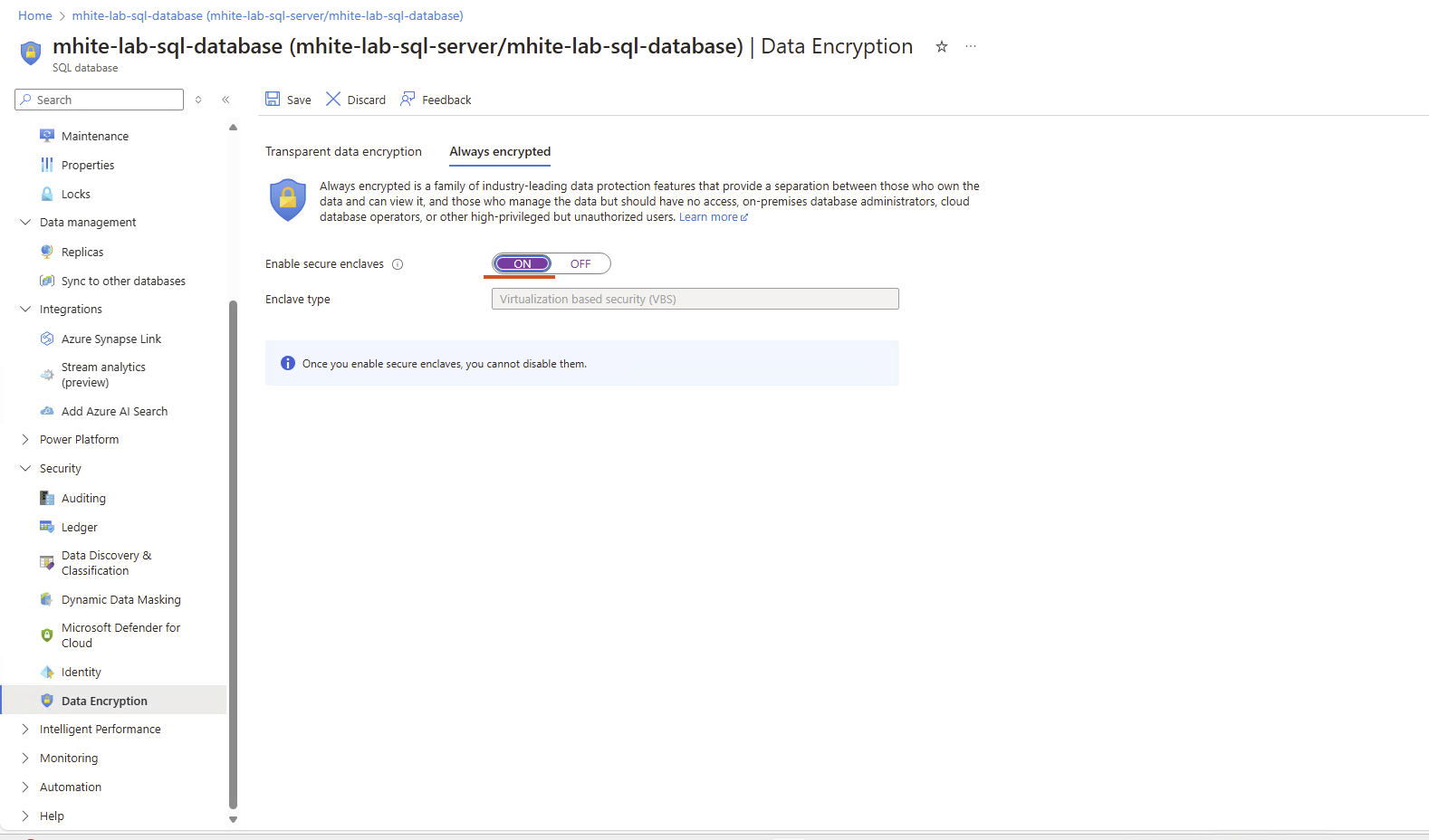
2. Always Encrypted
Always Encrypted is a feature that protects sensitive data from exposure during processing. It allows sensitive data to be encrypted on the client side and ensures that this data is visible only to authorized parties.
- How it works: Encryption and decryption are performed on the client side using keys stored outside the database.
- Benefits: Sensitive data is protected even from database administrators, suitable for highly sensitive data.
3. SQL Server Auditing
SQL Server Auditing allows you to monitor and log all activities in the database, which helps ensure compliance with security and regulatory requirements.
- How it works: Audit logs can be stored in encrypted storage.
- Benefits: Improved control and visibility over database access and activities.
4. Transparent Key Management with Azure Key Vault
Azure Key Vault enables centralized management and protection of encryption keys used for database encryption.
- How it works: Integration with TDE and Always Encrypted for secure storage and management of encryption keys.
- Benefits: Enhanced key security, easy key rotation and management.
Benefits of Encryption
1. Protection Against Unauthorized Access
Encryption ensures that even in the event of unauthorized access to storage or database backups, data remains unreadable without the appropriate encryption keys.
2. Compliance with Regulatory Requirements
Many industries have strict data protection requirements. Encryption helps organizations meet these regulatory requirements and avoid legal and financial penalties.
3. Protection of Sensitive Data
Sensitive data, such as personal information, financial data, and medical records, is protected against disclosure and misuse.
4. Reduced Risk of Data Breaches
In the event of a security breach, encrypted data remains unreadable, significantly reducing the risk of data breaches and loss of customer trust.
5. Centralized Key Management
Azure Key Vault enables centralized management of encryption keys, simplifying the management, rotation, and protection of keys used for encryption.
Setup:
For more technical articles, guides, and interesting IT topics, visit: www.virtualall.sk
